Eat Sleep Gym Repeat SVG: A Designer's Review
As a designer who spends more time staring at stitch maps than most people care to admit, I approach every new digital embroidery file with a mix of curiosity and skepticism. The market is flooded with fitness-themed graphics, but finding one that translates well from a screen to actual thread requires a keen eye. Recently, I evaluated the Eat Sleep Gym Repeat SVG Cut File to see if it holds up under the scrutiny of real-world production. This isn't just about whether the image looks cute on a website; it is about whether it can survive the tension of a hoop, the pull of the needle, and the wash cycle of a dedicated gym-goer.
First Impressions and Visual Personality
When I first opened the zip package, my immediate focus was on the versatility of the included formats. Having an SVG file for Cricut, a DXF file for Silhouette, an EPS vector, and a high-resolution PNG means this asset bridges the gap between cutting machines and embroidery software. For those of us running a craft business, this flexibility is gold. You aren't locked into one workflow.
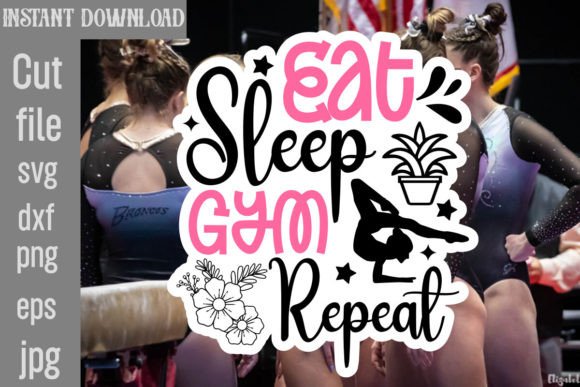
Visually, the design exudes a straightforward, motivational vibe. The typography appears bold and rhythmic, mirroring the repetitive nature of a workout routine. In the context of Crafts and Graphics, simplicity often wins because complex details can get lost in translation when converted to stitches. The layout suggests a strong horizontal flow, which is ideal for chest placements on tees or across the front of tote bags. The mood is energetic yet clean, avoiding the cluttered look that plagues many free downloads found online.
Real-World Application: The Custom Sweatshirt Project
To truly test the Eat Sleep Gym Repeat SVG Cut File, I envisioned a specific client request: a custom order for a local CrossFit box looking for team apparel. They wanted something durable for heavy use, not just a fashion statement. I pictured this design centered on a heather grey cotton-blend sweatshirt.
In this scenario, the design's blocky lettering works in its favor. When converting this graphic into a machine embroidery design, thick lines allow for robust fill stitch or wide satin stitch columns without causing excessive puckering. If I were digitizing this myself based on the vector provided, I would lean towards a dense fill for the letters to give them a premium, tactile feel that screams quality. For a small shop product, that texture adds perceived value. A customer paying for custom gear wants to feel the craftsmanship, not just see a flat print.
Alternatively, for a lighter application like a tote bag design, this graphic could serve as a template for an applique design. By using the SVG to cut athletic mesh or contrasting fabric, you create a layered look that is trendy in boutique fitness wear. The clean edges of the vector file ensure that your cutting machine produces sharp corners, which is critical when layering materials.
Navigating Fabric Challenges and Stitch Density
However, no design is without its challenges. When working with custom apparel, especially items meant for the gym, fabric choice is paramount. Gym wear often involves stretchy, synthetic blends like polyester or spandex. These materials are notorious for shifting under the needle. If you attempt to stitch the Eat Sleep Gym Repeat SVG Cut File directly onto a thin, stretchy tank top without proper preparation, you risk distortion.
Here is where practical judgment comes in. For textured fabrics or dark materials, you must consider your thread colors carefully. A white thread on a black hoodie offers high contrast and readability, but it also shows every imperfection. Conversely, tonal stitching on a colored garment might hide minor density issues but could reduce legibility from a distance.
Stitch density is another crucial factor. If the original graphic has very tight spacing between the words "Eat," "Sleep," "Gym," and "Repeat," you need to ensure your digitized version maintains enough negative space. Crowded text can lead to thread breaks or a muddy appearance where the colors blend together. Always test the design on scrap fabric first. This simple step saves you from ruining expensive blanks and helps you determine the correct stabilizer weight. For knits, a cut-away stabilizer is usually non-negotiable to prevent the design from sagging over time.
Considerations for Small Hoops and Curved Surfaces
While the design looks fantastic on a flat surface, applying it to curved items like caps requires extra caution. The horizontal layout might fight against the curve of a baseball cap's front panel. If you plan to use this for sweatshirt embroidery on sleeves or for baby embroidery on onesies, you may be limited by your hoop size. Check the dimensions of the vector before committing. If the design is too wide for a standard 4x4 hoop, you might need to resize it, which could make the lettering too small to stitch clearly. Tiny lettering is the enemy of durability; if the strokes are too narrow, they will vanish after a few washes.
Commercial Viability and Brand Consistency
For Etsy sellers and creative entrepreneurs, the commercial potential of this file is significant. Fitness is evergreen; people always want to标识 their lifestyle. Using this design in a printable mockup for your online store can help visualize the final product before you even stitch a single thread. The clean lines of the EPS file vector make it easy to recolor in design software to match specific brand palettes, ensuring consistency across your design assets.
However, professionalism is key. Before listing finished items or selling the digital files themselves, you must confirm the licensing terms provided with the download. Just because a file is available doesn't automatically grant unlimited commercial rights. Read the fine print to ensure you are compliant when selling personalized gifts or commercial embroidery projects. Trust is the currency of the handmade community; violating licenses can damage your reputation instantly.
Final Verdict for Makers and Designers
The Eat Sleep Gym Repeat SVG Cut File is a solid contender for your library, provided you approach it with technical awareness. It shines brightest when used on stable fabrics like cotton twill for patches, canvas for totes, or heavier fleece for hoodies. Its strength lies in its adaptability—it can be a simple line art piece for a minimalist aesthetic or a bold, filled statement for high-impact gear.
Remember to inspect small details before production. Does the "G" have a closing gap that might cause threading issues? Are the corners of the letters sharp enough to justify a satin border? Test your design in both black and white mockups to gauge contrast. Whether you are creating holiday embroidery gifts for fitness lovers or stocking inventory for a boutique, this design offers a reliable foundation. With the right stabilizer, thoughtful thread selection, and careful attention to fabric texture, this graphic can elevate a simple piece of cloth into a coveted finished product that customers will wear with pride.