Family Christmas: A Designer's Take on Holiday Stitching
As someone who spends more time staring at stitch maps than most people spend watching TV, I approach every new machine embroidery design with a mix of excitement and skepticism. When I first pulled up the Family Christmas file, my immediate reaction wasn't just about whether it was "cute"—it was about whether it would hold up under the needle. In the world of Crafts and Graphics, there is a massive difference between a vector that looks crisp on a screen and a design that translates beautifully into thread. This review breaks down how Family Christmas performs when you move from digital preview to actual embroidery project.
The First Impression: Mood and Layout
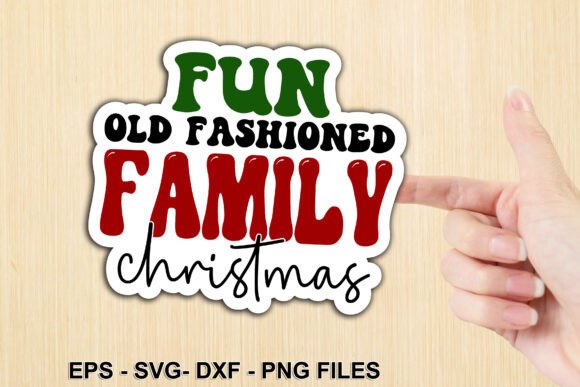
The visual personality of Family Christmas leans heavily into that nostalgic, cozy holiday vibe. It feels less like a generic clip-art dump and more like a curated piece meant for storytelling. The layout suggests a balance between text and graphical elements, which is crucial for readability once stitched out. In my experience, designs that try to do too much often fail on fabric, but this one seems to have enough breathing room. The theme is unmistakably festive, making it a strong contender for holiday embroidery projects where warmth and tradition are the selling points.
What stands out initially is the potential for versatility. Whether you are aiming for a rustic look on a linen towel or a bold statement on a heavy cotton sweatshirt, the core shapes appear adaptable. However, as a designer, I always look for the "danger zones"—those tiny details that might turn into a bird's nest of thread if the stitch density isn't managed well. While the digital embroidery file preview looks clean, the real test is how those lines translate when the machine starts punching thread through fabric.
Real-World Application: The Custom Tote Scenario
To truly evaluate Family Christmas, I imagined a specific real-life scenario: a custom order for a local boutique needing a run of limited-edition holiday tote bag designs. The client wanted something that felt handmade but professional enough to justify a premium price point. This is where Family Christmas shines. The design's structure suggests it would work exceptionally well on canvas or twill, fabrics that provide enough stability to support the stitching without puckering.
If I were stitching this for a personalized gift or a small batch of small shop products, I would likely pair it with a high-quality stabilizer to ensure the edges remain crisp. For a sweatshirt embroidery project, the design offers enough visual weight to stand out against fleece or French terry, provided the thread colors are chosen with enough contrast. Imagine this design centered on a deep forest green hoodie; the result would be a finished product that customers instinctively trust because the execution looks deliberate and skilled.
For Etsy sellers and craft business owners, the appeal lies in the design's ability to elevate a basic item into a handmade product with perceived value. It's not just a sticker anymore; it's a texture, a tactile experience that digital design assets alone cannot replicate. When a customer holds an embroidered patch or a decorated apron featuring this motif, they are buying into the effort and artistry behind it.
Navigating Technical Challenges
No design is without its constraints, and honest evaluation requires pointing out where Family Christmas demands caution. If you are working with stretchy fabric like jersey knit for baby embroidery, you need to be vigilant. The integrity of the design depends on the fabric staying put. Without the right stabilizer, those festive lines could warp, ruining the visual appeal. Similarly, if you are attempting this on a curved surface like a cap, the layout might need adjustment. Curved hoops can distort wide designs, so checking the hoop compatibility is essential before hooping up.
Another consideration is the level of detail. If the design includes fine lettering or intricate corners, these areas are prone to breaking down if the thread colors are too similar or if the stitch density is too high for the fabric type. On dark fabrics, you might need to adjust the underlay or use a topping to prevent the fabric texture from showing through the fill stitches. Always test the design on scrap fabric first. This isn't just good advice; it's a necessity for maintaining brand consistency and professionalism.
For those considering this for commercial embroidery runs, remember that frequent washing can wear down dense stitch areas. Ensuring the design is locked in properly with adequate backing will help the custom apparel survive the holiday season and beyond. If the original files include formats like EPS, SVG, DXF, or PNG, verify which ones are suitable for your specific machine software. Not all digital embroidery files are created equal, and converting them incorrectly can lead to stitching errors.
Maximizing Value and Buyer Engagement
The ultimate goal of using a design like Family Christmas is to create a product that sells itself. The giftability of an item featuring this design is high because it taps into universal holiday sentiments. For creative entrepreneurs, this means higher buyer engagement. A well-executed embroidery project signals quality. It tells the customer that care was taken, which builds customer trust.
When creating printable mockups for your online store, ensure the digital representation matches the reality of the stitched item. Misleading previews can lead to returns and disappointed clients. Use the Family Christmas design to tell a story in your product photos—show it on a cozy blanket, a festive apron, or a stylish tote. Highlight the texture of the satin stitch or the coverage of the fill stitch to give online shoppers a sense of the tactile quality.
Final Designer Notes
Before committing to a full production run or listing this as a digital product for others to use, take these practical steps:
- Check Licensing: Confirm the terms for commercial use. Just because you bought the file doesn't automatically mean you can sell unlimited finished items or redistribute the digital file.
- Test Color Contrasts: Run a sample in black and white or grayscale to see if the design relies too heavily on color for definition. Good designs should hold their shape even without color.
- Inspect Small Details: Zoom in on the digitized path. Look for unnecessary jumps or trims that could slow down production or weaken the thread.
- Fabric Matching: Ensure the design suits the intended material. A heavy fill design might overwhelm a sheer fabric, while a light running stitch might get lost on a thick towel.
- Verify File Formats: Since the product mentions EPS, SVG, DXF, and PNG, ensure you have the correct conversion for your embroidery machine software to avoid formatting glitches.
In conclusion, Family Christmas offers a solid foundation for a variety of holiday gifts and boutique branding opportunities. It bridges the gap between digital convenience and handmade charm. With careful attention to fabric choice, stabilization, and testing, this design can be the centerpiece of a successful embroidery project that delights customers and enhances your reputation as a skilled maker.