Jesus Loves You SVG Cut File: A Designer's Review
As a designer who spends more time staring at stitch maps than most people care to admit, I approach every new digital embroidery file with a mix of optimism and skepticism. We have all been there: you buy a design that looks perfect on the screen, only to find out it is a nightmare of underlay issues or impossible density once it hits the hoop. Today, I am taking a close look at the Jesus Loves You SVG Cut File. This isn't just a quick glance at a thumbnail; this is an evaluation of how this asset holds up when you are trying to create a high-quality handmade product for a client or your own shop.
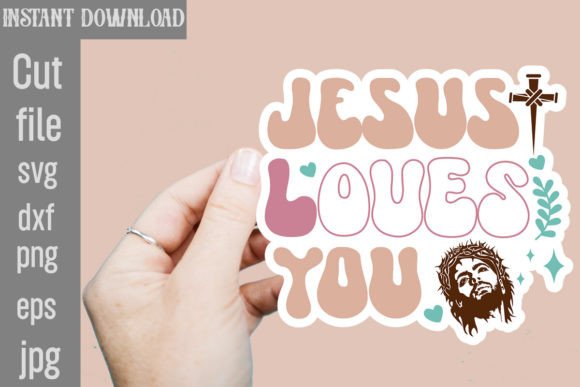
The first thing that strikes me about this package is its versatility within the Crafts category. While the title suggests a simple cut file for vinyl crafters, the inclusion of vector formats like EPS and high-resolution PNGs means this is a robust set of design assets for anyone working in mixed media. For us embroidery enthusiasts, the clean lines of the SVG and DXF files are particularly interesting. They suggest a layout that could easily be adapted into a machine embroidery design with some digitizing work, or used as a precise template for appliqué.
Visual Personality and Project Fit
The mood of this design is warm, inviting, and timeless. It avoids the overly ornate scripts that often turn into thread blobs on smaller hoops, opting instead for a clarity that reads well from a distance. When I visualize this on a tote bag design, I see immediate potential. The simplicity allows the texture of the canvas to shine through without the stitching overpowering the fabric. It feels right at home on a nursery blanket or a baby embroidery project where softness and readability are paramount.
Imagine a scenario where you are preparing a custom order for a local boutique. They need a run of sweatshirt embroidery for a church group or a family reunion. The Jesus Loves You SVG Cut File offers a layout that centers beautifully on the chest. Because the design relies on strong shapes rather than microscopic details, it translates well to the slightly fuzzy surface of fleece or French terry cloth. This is where many designs fail, but the structural integrity hinted at in these vector files suggests it would survive the transition from screen to finished product with grace.
Real-World Application and Stitching Strategy
Let's get practical. If you are planning to use this graphic as a guide for creating a custom apparel line, you need to think about how the design interacts with different materials. For a standard cotton t-shirt, the open nature of the lettering in this style usually pairs well with a satin stitch border or a clean fill stitch. However, if you are aiming for a vintage look on a distressed denim jacket, you might consider using the SVG path to create an applique design. Layering a contrasting fabric behind the cut-out letters can add depth and durability, making the piece feel more substantial and valuable.
For those running an Etsy seller operation, presentation is everything. The included 300 DPI PNG with a transparent background is a goldmine for creating printable mockup images. Before you even thread your machine, you can place this graphic onto photos of pillows, caps, or aprons to gauge customer interest. This saves you time and materials, ensuring that when you do commit to stitching, you are confident in the marketability of the item. It helps maintain brand consistency across your digital listings and physical inventory.
Navigating Fabric Challenges and Hoop Constraints
Every designer knows that the devil is in the details, especially when dealing with curved surfaces or difficult fabrics. If you plan to put this on a cap, be wary of the curvature. Designs that look flat on a monitor can distort when stitched over the front panel of a hat. You may need to adjust the pull compensation or simplify the inner details if you are digitizing this yourself based on the SVG. Similarly, on stretchy fabrics like jersey knits, the stability of the text is crucial. Without a proper stabilizer, the "Loves" portion could pucker, ruining the visual appeal of the piece.
Small hoop sizes present another consideration. While the design is generally clean, if you attempt to shrink it down for a pocket logo or a small embroidered patch, the spacing between letters becomes critical. If the gaps are too narrow, the threads will merge, turning distinct words into an unreadable mass. I always recommend testing the design on scrap fabric first. Try it in black and white mockups to check contrast, and then stitch a sample on a similar weight fabric to your final product. This step confirms whether the stitch density—which you will define during digitization—is appropriate for the material.
Commercial Value and Customer Trust
In the world of commercial embroidery, reliability builds trust. When a customer buys a personalized gift, they expect it to last. A design that frays after one wash or loses its shape reflects poorly on your craft business. The strength of using a vector-based source file like the ones in this download is the control it gives you. You are not stuck with a pre-digitized file that might have poor underlay; instead, you have the raw geometry to create a stitch file that matches your specific machine and thread preferences.
This level of control directly impacts customer trust and buyer engagement. When your small shop product looks professional, with crisp edges and consistent tension, customers recognize the quality. They are more likely to return or recommend your services. Whether you are creating holiday embroidery for seasonal sales or wedding gifts that need to be flawless, starting with a clean, scalable graphic is half the battle won.
Final Verdict for Makers and Designers
The Jesus Loves You SVG Cut File is a solid addition to any creative entrepreneur's library. It bridges the gap between simple crafting and professional garment decoration. However, remember that this is a DIGITAL DOWNLOAD ONLY. The package includes SVG, DXF, EPS, and PNG files, but it does not include a ready-to-stitch embroidery file format like PES or DST. You will need to digitize it yourself or hire a digitizer to convert these vectors into a machine embroidery design.
Before listing items for sale, always confirm the licensing terms provided by the creator to ensure you are compliant for commercial embroidery projects. Check the thread colors you intend to use against your fabric choice; high contrast often works best for this type of message. With the right preparation, stabilizer, and attention to detail, this design has the potential to become a staple in your catalog of personalized gifts and boutique merchandise. It is a tool that, when used with skill, can elevate a simple piece of fabric into a meaningful keepsake.