Review: Fun No the Fourth SVG Cut File for Embroidery
As a designer who spends more time staring at stitch maps than most people spend watching television, I approach every new digital embroidery file with a mix of curiosity and skepticism. We have all been there: you download a cute graphic, load it into your software, and realize too late that the details are too tight for a standard needle or the layout makes no sense on a curved surface. That is why I took a close look at the Fun No the Fourth SVG Cut File. While this asset lives primarily in the Crafts and Graphics categories as a cut file, my job is to evaluate its potential beyond the vinyl cutter. Can this design translate into a high-quality machine embroidery design for real-world products? Let's dig into the practicalities.
First Impressions and Visual Personality
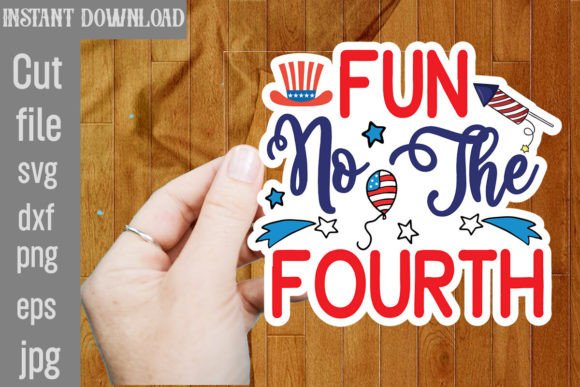
The first thing that strikes me about the Fun No the Fourth SVG Cut File is its bold, declarative mood. In a sea of patriotic designs that often rely on tired stars and stripes motifs, this piece offers a distinct visual personality. It feels modern, slightly cheeky, and incredibly versatile. The shape and layout suggest a design that wants to be seen. For an Etsy seller or small shop product creator, this kind of clear messaging is gold. It stops the scroll.
From a structural standpoint, the lines appear clean and well-defined. When I imagine converting this from a vector graphic into an embroidery project, I see excellent potential for thick satin stitch borders or solid fill stitch areas. The lack of overly intricate, hairline details means it should hold up well even when scaled down slightly, which is a huge plus for items like baby clothes or patches. However, because it is sold as an SVG, remember that you will need to digitize it properly or ensure your machine software handles the conversion without creating unnecessary jump stitches or messy underlay.
Real-World Application: The Custom Tote Scenario
To truly test the viability of this design, I envisioned a specific client request: a custom embroidered tote bag for a summer market stall. Tote bags are notorious for having a loose weave and requiring stable backing. If I were to use the Fun No the Fourth SVG Cut File here, the bold nature of the design would work in my favor. Thin, wispy lettering often gets lost in canvas texture, but the substantial forms in this graphic would pop.
I can picture this stitched onto a natural cotton tote using a deep navy or black thread for high contrast. The result would be a handmade product that feels professional rather than homemade. For a craft business, consistency is key. This design offers a level of clarity that builds customer trust. When a buyer sees crisp edges and confident stitching, they perceive higher value. Whether it is for a personalized gift or inventory for a boutique, the visual appeal translates directly to perceived quality.
Ideal Surfaces and Products
This design is not limited to totes. Its versatility shines across various custom apparel options. I can easily see this working as:
- Sweatshirt embroidery: The thick lines would sit beautifully on fleece without sinking in.
- Embroidered patch: Create a merit-badge style patch for jackets or hats.
- Baby embroidery: Perfect for a onesie bodice where space is limited but impact is needed.
- Holiday embroidery: A staple for Fourth of July collections that avoids cliché imagery.
- Aprons and tea towels: Great for kitchen decor that needs to withstand frequent washing.
For commercial embroidery projects, the simplicity of the design means faster run times and fewer thread breaks, which improves your profit margin. It also works wonderfully for printable mockup creation. Since the shapes are distinct, you can create compelling design assets for your online store before you even stitch a single thread.
Critical Considerations for Stitching
While the design is strong, a responsible reviewer must point out where caution is needed. Not every fabric is a friend to bold graphics. If you are planning to stitch this on stretchy fabric like jersey knit, you must be vigilant about your stabilizer choice. A heavy fill stitch on a stretchy material without proper support will cause puckering, ruining the finished product.
Additionally, consider the hoop size. While the design looks scalable, if you shrink it too much for a small pocket on a cap, the internal details might merge. Curved surfaces like caps require careful positioning; ensure the center of gravity in the design aligns with the curve of the hat to avoid distortion. If you are working with dark fabric, think about your underlay. A white or light-colored underlay can prevent the dark fabric from peeking through the stitches, maintaining the vibrancy of your chosen thread colors.
Another factor is stitch density. If you are digitizing this yourself from the SVG, avoid making the fill too dense. High density leads to stiff patches that can irritate the skin, especially on baby embroidery items or wearables. Aim for a balance that provides coverage but retains the drape of the fabric.
Maximizing Value and Professionalism
Using a well-chosen graphic like the Fun No the Fourth SVG Cut File affects more than just the look of the item; it impacts your brand consistency. For creative entrepreneurs, having a library of reliable designs allows you to produce small shop merchandise quickly during peak seasons. The recognizability of a clean, bold design helps with buyer engagement on social media platforms where visuals are everything.
However, before you list this as a digital product or sell finished goods, you must check the licensing terms provided with the download. The description mentions it teams with a range of file types for cutting machines, but commercial rights for embroidery sales may vary. Always confirm whether you can sell the physical embroidered patch or garment, or if the license restricts you to personal use only. Never assume; protecting your craft business from legal issues is just as important as the stitching itself.
Designer Notes for Best Results
To ensure success with this design, follow these practical steps:
- Test on scrap fabric first: Never run a new design on your final customer item without a trial.
- Check thread color contrast: Ensure your thread stands out against the fabric texture.
- Review stitch density: Adjust if the design feels too stiff or bulky.
- Inspect small details: Zoom in on your digitized version to catch any tiny gaps or overlapping lines.
- Test in black and white: This helps you see the structure of the design without the distraction of color.
- Compare backgrounds: See how it looks on both light and dark materials to plan your inventory.
In conclusion, the Fun No the Fourth SVG Cut File is a robust candidate for embroidery adaptation. It brings a fresh, modern vibe to the Crafts landscape and offers apparel decorators a reliable option for creating standout items. With proper digitization attention and fabric selection, this design can elevate your holiday gifts, wedding gifts, or everyday merchandise. It is a reminder that sometimes the best graphics for embroidery are the ones that keep it simple, bold, and fun.