Review: Happy 4th of July SVG Cut File for Embroidery
As a designer who spends more time staring at stitch maps than most people spend watching television, I approach every new digital embroidery file with a mix of optimism and skepticism. We all know the feeling: you download a cute graphic, load it into your software, and suddenly realize the density is going to turn your fabric into cardboard or the tiny details will vanish under a blanket of thread. That is why I took a close look at the Happy 4th of July SVG Cut File before committing it to any client projects or handmade products. While this asset is marketed primarily within the Crafts and Graphics categories for cutting machines, my job is to determine if it holds up when translated into thread for real-world embroidery projects.
First Impressions and Visual Personality
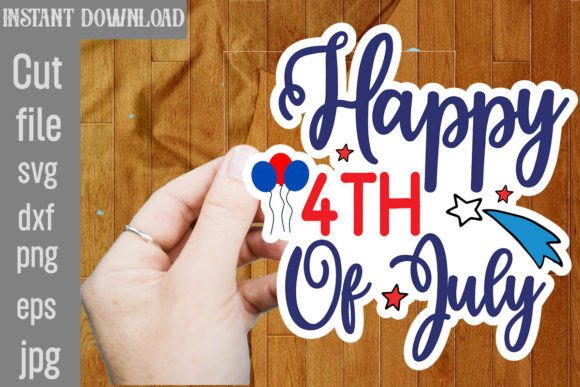
Opening the inclusive .zip file, the first thing that strikes me about the Happy 4th of July SVG Cut File is its clean, celebratory mood. The layout feels balanced, avoiding the cluttered look that often plagues holiday designs. For an Etsy seller or boutique owner, visual clarity is everything; customers scroll quickly, and a design needs to pop without looking messy. The shapes are distinct, which suggests that if you were to convert these vectors into a machine embroidery design, the transition from screen to stitch could be quite smooth. The theme is unmistakably patriotic but retains a modern, friendly vibe rather than feeling overly traditional or stiff. This versatility makes it a strong candidate for a wide range of custom apparel and home decor items.
Real-World Application: The Tote Bag Test
To truly evaluate this design, I imagined a specific scenario: preparing a custom order for a local community parade. The client wanted matching tote bag designs for a group of volunteers. I visualized placing the Happy 4th of July SVG Cut File on a heavy canvas tote. In this context, the bold lines of the graphic would translate beautifully into a combination of satin stitch borders and fill stitch interiors. Because tote bags often carry heavy items, the design needs to be durable. The open spaces in the vector art suggest that a well-digitized version would allow for flexible movement on the fabric, preventing the dreaded "pucker" effect that ruins the presentation of a finished product.
Beyond bags, I can see this working exceptionally well on sweatshirt embroidery. A fleece hoodie provides a plush background that makes bright red, white, and blue threads stand out. If you are running a small shop product line for the summer holidays, this design could easily become a bestseller. It strikes that perfect balance between festive and wearable, meaning customers are likely to wear the item long after July 4th has passed, extending your brand visibility.
Navigating Fabric Textures and Hoop Constraints
However, practical design judgment requires us to look at the limitations. Not every surface is as forgiving as a canvas tote or a thick sweatshirt. If you plan to use this on thin fabric like a lightweight t-shirt or a silky blouse, you must proceed with caution. The density of the original graphic might need adjustment. If the digital file has tight, intricate corners, those areas could become weak points or cause thread breaks if not properly reinforced with the right stabilizer.
Furthermore, consider the hoop size. While the description mentions compatibility with major electronic cutting machines, embroidery hoops vary. If you are adapting this for a small 4x4 hoop, you may need to scale the design down. Be wary of shrinking it too much; tiny lettering or fine details in the Happy 4th of July SVG Cut File could merge together and become illegible once stitched. Always test the design on scrap fabric first. This is non-negotiable for maintaining customer trust and ensuring professionalism in your craft business.
Challenges with Curved and Textured Surfaces
Another consideration is curved surfaces, such as caps or hats. Embroidering on a cap requires a different approach than flat goods. The curvature can distort the design if the digitizing isn't compensated for pull factors. If you attempt to put this graphic on a baseball cap, ensure the width of the design fits within the usable area of the front panel. Additionally, textured fabrics like waffle knits or heavy towels can swallow up fine details. For kitchen towel projects or aprons, you might want to simplify the fill patterns or increase the stitch length to ensure the design remains crisp against the texture.
Enhancing Brand Value and Customer Appeal
From a business perspective, the choice of design assets directly impacts your brand consistency and perceived value. Using a high-quality, cohesive graphic like the Happy 4th of July SVG Cut File signals to buyers that you care about aesthetics. It elevates a simple personalized gift into something that feels curated and special. When customers see a clean, well-executed design on a baby embroidery item or a family reunion shirt, it builds confidence in your skills. This leads to repeat business and positive reviews, which are the lifeblood of any commercial embroidery venture.
For those selling digital products, this file offers great potential for creating printable mockups. Even if you aren't stitching it yourself, the visual appeal of the graphic can be used to showcase how a design would look on various garments, helping you sell the digital file to other makers. The versatility of the Graphics included in the zip allows for easy customization in design software before you ever touch a needle.
Essential Designer Notes for Success
Before you launch into production, here are a few practical steps to ensure the Happy 4th of July SVG Cut File performs flawlessly in your workflow:
- Check Thread Color Contrast: Verify that your chosen thread colors provide enough contrast against your fabric background. What looks good on screen might get lost on dark navy or black fabric.
- Review Stitch Density: If converting to an embroidery file, ensure the density isn't too high, which can cause stiffness, or too low, which reveals the fabric underneath.
- Inspect Small Details: Zoom in on the vector paths. Are there any stray nodes or overlapping lines that could confuse your digitizing software?
- Test on Light and Dark Backgrounds: Create mockups or physical samples on both white and colored fabrics to gauge versatility.
- Confirm Licensing: Although the product description highlights an inclusive .zip file for crafting, always double-check the specific license terms regarding commercial embroidery and resale of finished items.
- Use Proper Stabilizer: Match your stabilizer to the fabric weight. Stretchy fabrics need cut-away stabilizer, while woven fabrics often do well with tear-away.
In conclusion, the Happy 4th of July SVG Cut File presents a solid opportunity for creators looking to add festive flair to their inventory. Its clean lines and cheerful theme make it adaptable for everything from embroidered patches to large wall hangings. However, its success ultimately depends on your execution. By respecting the limitations of your materials, testing thoroughly, and applying sound design principles, you can transform this digital asset into a standout holiday embroidery piece that delights customers and enhances your reputation as a skilled maker.