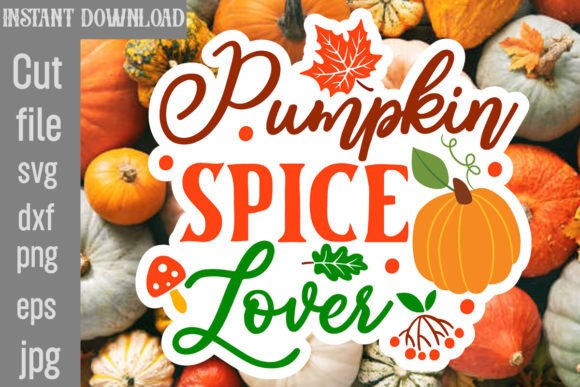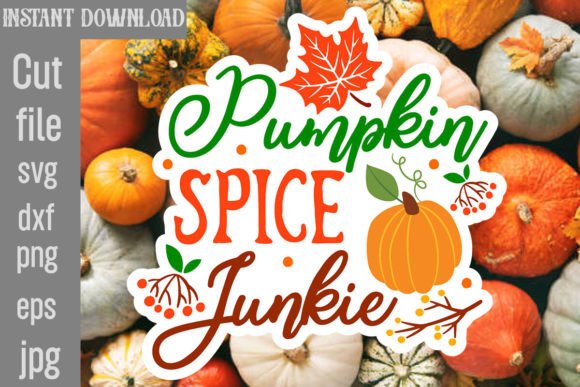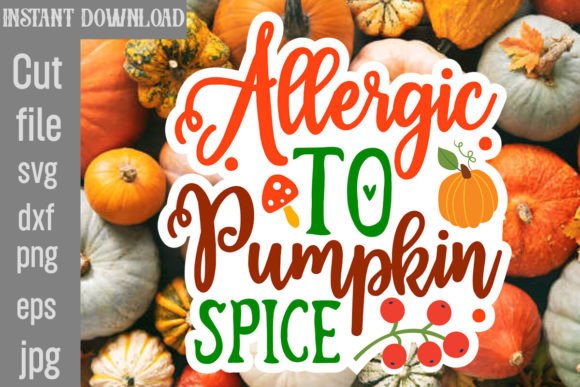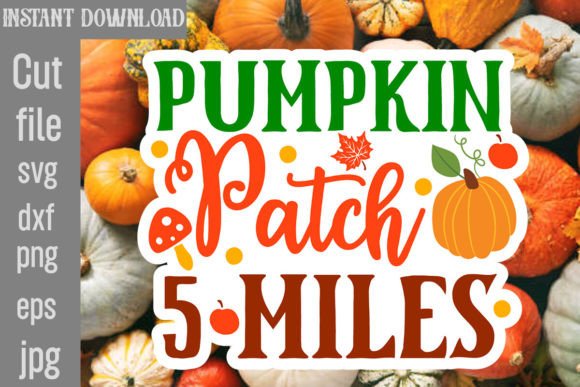
Review: Happy Pumpkin Spice Season Sticker Design
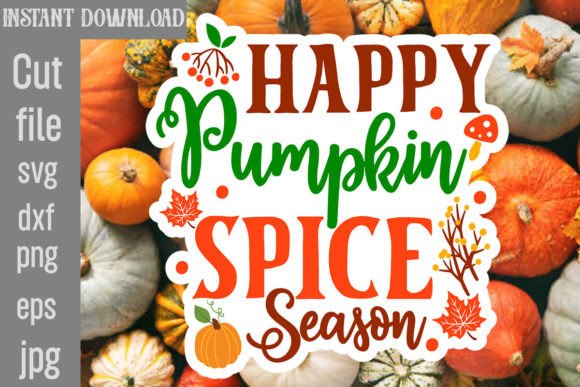
As a designer who spends more time staring at stitch previews than I do sleeping during peak season, I approach every new digital embroidery file with a mix of excitement and skepticism. The market is flooded with autumnal motifs, but finding one that translates well from a screen to actual thread requires a keen eye. Recently, I got my hands on the Happy Pumpkin Spice Season Sticker Desig. While the title suggests a sticker aesthetic, my goal was to evaluate its potential as a robust machine embroidery design for real-world client projects. This isn't just about whether it looks cute in a thumbnail; it's about whether it holds up on a textured sweatshirt or a structured tote bag.
First Impressions and Visual Personality
When I first opened the files included in the download—specifically the vector formats like EPS and SVG—the layout immediately struck me as playful yet balanced. The "sticker" style implies a bold outline and solid fills, which is generally excellent for embroidery. In the world of Crafts and Graphics, this aesthetic often translates beautifully into satin stitch borders with dense fill interiors. The mood is undeniably cozy, capturing that specific warm feeling of fall without relying on overused clichés. For an Etsy seller or boutique owner, this visual personality is crucial; it needs to scream "autumn" without looking generic. The design feels substantial enough to be the hero of a project rather than just a tiny accent.
Real-World Application: The Tote Bag Test
To truly gauge the value of this asset, I imagined a specific scenario: a custom order for a local coffee shop wanting branded merchandise for their fall launch. They requested a tote bag design that customers would actually want to carry around town. The Happy Pumpkin Spice Season Sticker Desig fits this brief perfectly. Its shape is compact enough to sit centrally on a canvas bag without overwhelming the fabric, yet detailed enough to catch the eye.
If I were stitching this onto a natural cotton canvas, the contrast would be key. I would likely opt for deep burnt orange and cream thread colors to mimic the classic latte aesthetic. Because the design mimics a sticker, it likely relies on clean lines. In a finished product, this means the edges need to be crisp. If the stitch density is too low, the fabric might peek through, ruining the "sticker" illusion. However, if the digitizer did their job right, this should result in a smooth, professional look that elevates the perceived value of the handmade product.
Versatility Across Different Products
Beyond tote bags, this design shows promise for a variety of custom apparel items. I can easily see this working as a chest logo on a heavyweight hoodie or as a pocket detail on a flannel shirt. For those running a craft business, versatility is money. A design that works on both sweatshirt embroidery and kitchen textiles expands your inventory without requiring new assets.
Consider holiday embroidery projects for home decor. This graphic could be appliquéd onto a pillow cover or stitched directly onto a tea towel. The transparent PNG included in the package is particularly useful here for creating printable mockups before you even thread the needle. Being able to show a client a realistic preview of how the design looks on a dark navy blanket versus a white apron can seal a sale faster than any verbal description. For baby embroidery, you might need to scale it down, but the simple shapes suggest it could work well on a onesie, provided the details aren't too fine for small hoops.
Technical Considerations and Fabric Challenges
However, no design is without its challenges. The "sticker" look often demands high precision. When working with textured fabrics like terry cloth or waffle weave, the background texture can interfere with the clean lines of the design. In these cases, using a strong cut-away stabilizer is non-negotiable to prevent puckering and ensure the finished product remains flat.
I also have concerns about how this design handles curved surfaces, such as caps. The horizontal spread of the text and graphics might distort slightly on a structured front panel. If you are planning a run of embroidered hats, I strongly advise testing the design on a scrap cap first. Additionally, if the design includes tiny lettering within the "sticker" border, you must verify the minimum stitch length. On stretchy fabrics like jersey knits, small text can become unreadable if the fabric stretches during wear. Always check the hoop size requirements; while it looks like a medium-sized design, confirming it fits your standard 4x4 or 5x7 hoop is essential before committing to a large batch.
Designer Notes for Commercial Success
For the commercial embroidery professionals out there, here is my practical advice for integrating this asset into your workflow:
- Test Before You Sell: Never skip the stitch-out test. Use scrap fabric similar to your final material to check thread tension and coverage.
- Color Contrast: This design relies on the "sticker" effect. Ensure your thread colors contrast sharply with the garment color. A dark design on a black sweatshirt will vanish.
- Density Check: Inspect the fill areas. If they are too dense, the thread might break or the fabric might pucker. If too light, the backing shows.
- Licensing Verification: The product description states this is a digital download with SVG, DXF, EPS, and PNG files. While these are great for cutting machines and print, confirm the license terms specifically for embroidery project usage. Just because you have the vector doesn't automatically grant unlimited commercial rights for physical goods unless specified.
- Mockup Strategy: Use the 300 DPI PNG to create high-resolution listings for your online shop. Good visuals drive traffic, but the quality of the actual stitch drives repeat customers.
Final Verdict on Value and Appeal
Ultimately, the Happy Pumpkin Spice Season Sticker Desig offers a strong foundation for autumn-themed collections. Its strength lies in its clear, bold identity which translates well to the tactile nature of embroidery. For an apparel decorator, it offers a quick turnaround item that feels trendy yet timeless enough to last the season. For the small shop product lineup, it adds immediate seasonal relevance.
The inclusion of multiple file formats (SVG, DXF, EPS) suggests the creator understands the needs of modern makers who might use hybrid workflows—cutting heat transfer vinyl for some items and embroidering others. This flexibility increases the design assets' utility. However, the true test remains in the stitching. If the digitization matches the clean lines of the vector preview, this design will undoubtedly boost customer trust and brand recognition. It feels like a design that says, "We pay attention to details," which is exactly the message you want to send with a personalized gift or boutique item.
In conclusion, while I cannot verify the exact stitch count or specific machine compatibility without a .PES or .JEF file explicitly mentioned in the core list, the vector foundations provided are solid. With careful attention to stabilizer choice, thread selection, and fabric type, this design has the potential to be a best-seller in your fall catalog. It bridges the gap between digital Graphics and tangible Crafts effectively, making it a worthy addition to your library for anyone serious about producing high-quality embroidered goods.