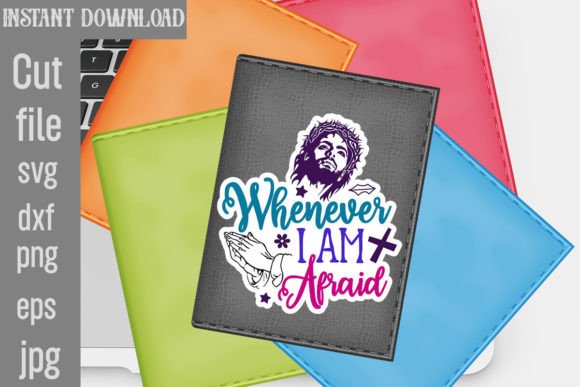
Reviewing Whenever I m Afraid SVG Cut File for Embroidery
As a designer who spends more time staring at stitch maps than most people spend watching television, I approach every new digital embroidery file with a mix of curiosity and skepticism. We have all been there: you buy a design based on a pretty thumbnail, only to find out the stitch density is a mess or the lettering is too small to survive a single wash. Today, I am taking a close look at Whenever I m Afraid SVG Cut File. While this product is marketed primarily as a graphic asset for cutting machines, my job is to evaluate its potential when translated into thread for real-world embroidery projects.
The first thing that strikes me about this design is its emotional resonance. The phrase "Whenever I'm Afraid" immediately evokes a sense of comfort, nostalgia, and reassurance. It is not just text; it is a sentiment. Visually, the layout appears clean and balanced, which is crucial when moving from a vector graphic to a stitched finished product. For those of us in the craft business, selling feelings is often more profitable than selling items. This design fits perfectly into the current trend of mental health awareness and comforting home decor. However, because this is a DIGITAL DOWNLOAD ONLY containing SVG, DXF, EPS, and PNG files, we need to talk about how to get this from your screen onto fabric without losing that delicate charm.
From Vector to Thread: A Real-World Application
To truly test the viability of Whenever I m Afraid SVG Cut File, I imagined a specific client request. A local boutique owner wanted a line of limited-edition tote bags for a community wellness event. She needed something simple, readable, and deeply meaningful. This is where the design shines. The typography in the source files suggests a flow that would translate beautifully into a satin stitch border or a clean running stitch outline if digitized properly.
If you are an Etsy seller or a small shop product creator, you might be tempted to use the included PNG for a direct print-and-press method, but let's consider the embroidered route. Imagine this text stitched onto a natural canvas tote bag design. The contrast of white or cream thread against the raw fabric texture creates an organic, handmade feel that a vinyl cut simply cannot match. Alternatively, picture this on a soft, heather-grey sweatshirt embroidery project. The message becomes a personal mantra for the wearer. For baby embroidery, this phrase on a muslin swaddle or a nursery pillow cover offers a gentle promise of safety, making it an ideal personalized gift for new parents.
The versatility here is significant. Because the design is provided in vector formats like EPS and SVG, it scales infinitely without losing quality. This means you can adapt it for a tiny embroidered patch or a large wall hanging. However, scaling requires caution. Just because the vector is crisp does not mean the stitches will be. If you are converting this yourself or sending it to a digitizer, pay close attention to the letter spacing. In embroidery, letters that look fine on a screen can merge together once the thread bulk is added.
Navigating Fabric Choices and Technical Challenges
One of the most critical aspects of using a design like Whenever I m Afraid SVG Cut File is understanding where it might fail. Not every surface is ready for this level of detail. If you are working with textured fabrics like heavy wool or looped towels, the fine lines of the text could get lost. The fabric texture needs to be smooth enough to support the definition of the letters. I would strongly advise against using this on highly stretchy knits unless you have a very stable stabilizer strategy in place. Without proper backing, the fabric will pull, distorting the message and ruining the professional look of your handmade product.
Dark fabrics present another challenge. The included PNG is 300 DPI with a transparent background, which is great for mockups, but for stitching, you need to plan your thread colors carefully. A light thread on a dark navy hoodie looks stunning, but ensure your underlay stitches are sufficient to prevent the dark fabric from peeking through the letters. Conversely, if you are attempting a tonal look—say, grey thread on a black shirt—you risk the design becoming illegible. Always test your color contrast before committing to a production run.
Curved surfaces, such as caps or hats, require special mention. While the sentiment fits well on headwear, the curvature of a cap can distort horizontal text. If you attempt custom apparel on a structured cap, you may need to adjust the pull compensation in your digitizing software. Furthermore, check the hoop size compatibility. If the design is wide, ensure your machine's hoop can accommodate it without needing a risky re-hooping mid-design, which often leads to alignment errors.
Maximizing Value for Commercial Use
For commercial embroidery professionals, the value of a design lies in its reliability and customer appeal. Whenever I m Afraid SVG Cut File has high "giftability." It is the kind of phrase that stops a scroll on social media or catches an eye at a craft fair. When customers see a well-executed version of this, they perceive higher value. It builds customer trust in your brand because it shows you care about meaningful content, not just generic clip art.
However, since this is listed under Crafts and Graphics as a cut file, you must verify the licensing terms before selling finished goods. The product description notes it includes files for Cricut and Silhouette, implying a focus on vinyl cutting. If you intend to use this as a basis for a machine embroidery design, you are likely creating a derivative work. Ensure your license allows for commercial use of finished physical items. Never assume; always read the fine print to protect your craft business.
To maintain brand consistency, consider how this design fits into your broader catalog. Does it match your aesthetic? If you specialize in bold, blocky sports logos, this softer, sentiment-driven piece might feel out of place unless you are expanding your offerings. For those diversifying into holiday embroidery or wedding gifts, this design is a perfect addition to a portfolio focused on connection and emotion.
Practical Notes for the Studio
Before you load this into your machine or send it off for digitizing, here are my top recommendations for ensuring success:
- Test on Scrap First: Never skip the stitch-out test. Use the same fabric and stabilizer you plan to use for the final item to check for puckering or registration issues.
- Check Stitch Density: If you are digitizing this from the SVG, avoid overly dense fill stitch areas in the letters. Too much thread can make the fabric stiff and uncomfortable, especially on wearables.
- Inspect Small Details: Look closely at the corners of the letters. Sharp points in vectors often need to be slightly rounded in embroidery to prevent thread breaks.
- Mockup in Black and White: Remove color from your digital proof. If the design doesn't read clearly in grayscale, it won't read well when stitched, regardless of your thread choice.
- Verify File Compatibility: Remember, this download provides SVG, DXF, EPS, and PNG. You will need embroidery-specific software to convert these into a stitch file compatible with your machine.
- Consider Washability: Products that need frequent washing, like baby clothes or kitchen towels, require secure locking stitches at the start and end of every color change.
In conclusion, Whenever I m Afraid SVG Cut File is a versatile asset with strong emotional appeal. While it arrives as a graphic file, its potential as a stitched design is immense for the thoughtful creator. With careful attention to fabric selection, stabilizer choice, and digitizing nuances, this design can elevate your printed mockup concepts into tangible, cherished heirlooms. Whether you are decorating a pillow cover, branding a boutique product, or making a holiday gift, this design offers a solid foundation for creativity. Just remember, the difference between a good design and a great embroidery project often lies in the preparation and the respect for the medium of thread.